Showing posts with label Nation - UK Prod. Show all posts

31 January 2026

UK Vehicle Production : 2024-25


Do you want the good news or the bad news? Well, there is only the latter here. UK vehicle production is nothing short of embarrassing. It's been building (or should I say sliding) for many years and little has been done to address the situation even as it reaches a disastrous level. Does anyone care?

The charts here show total production, monthly (Avg) and %. The percentage shows total reduction plus the percentage split between home and export. The only car manufacturers that publish figures are Nissan and Toyota. They are incorporated at the base of the third chart. They made up 48% of all production. 


Let's dissect it by diving deeper. Passenger car production was 717,400, down from 779,600 in 2024. That represents an 8.0% fall on an already poor 2024.  


You would have to go to the early 1950's to see lower figures. That was when a devastated post war Britain was trying to get back on its feet. 

161,000 sales in the UK were for locally produced cars. That represents 8.0% of the UK domestic market. In other words, 92.0% of the cars sold in the UK in 2025 were imports! Just as well no one cares.  

Can commercial vehicle sales salvage something from this disaster? Of course, I jest. It's even worse. Production reached 47,300 units, down 62%. No, that's not a typo. So tell us then, how bad is it? 

I have data going back to and including 1945. This is by far the worst over that time. I don't have detailed data for 2025 to explain why this is, all I can do is speculate and here I go. 

Stellantis is the main CV producer in the UK and they seem to be having problems either making or selling vans. They closed the Luton plant and consolidated it all into the Ellesmere Port facility. They also went to fully electric vans and this is probably the reason for the slump. Truck makers such as Leyland DAF and Dennis Trucks are still doing OK I would wager but they can't stem the drop by Stellantis. Exports are the hardest hit for CVs. 

Buses don't make up huge numbers but the government is subsidising the switch to electric buses. The UK's largest bus operator recently took the offer and bought buses made in China. Taxes spent on overseas manufactured buses. Just as well no one cares. 

By combining the above figures, the picture won't be any brighter. A solution could be an tax on imported vehicles, gradually increased each year and then manufacturers encouraged to start local UK production. 

The market is big enough to support that. Some of the revenue could be used to incentivise buying locally made.

Would this increase vehicle prices overall in the UK? Maybe slighty, but a small price to pay for an understanding and selfless populace. Would other nations understand the precarious situation or cry foul and threaten 'consequences'? 

Don't other nations impose import duties to 'protect' their markets? Some to help production get on a solid footing and others just to obstruct imports. Either way, surely they would be supportive of a move to revitalise a feeble UK industry. Again, another bit of humour. Double standards are the default setting of international dealings. 

So here I am, proposing a way forward to save a car industry on life support but realistically knowing nothing will change. It was a productive UK industry while it lasted, but it could end up being a few luxury brands only and maybe a few trucks. Just as well no one cares. 

23 December 2025

Toyota Deeside Wales


The UK produces quite a few car engines. Up to November, 2025 about 1.5 million engines were manufactured YTD. With the world moving away from ICE powered vehicles, that looked like an industry living on borrowed time. Recent pull backs on the move to ban such engines will give this industry a reprieve. 

One such plant is situated in Deeside, North Wales, which started producing engines for the Carina model in 1992. My father grew up in the area, so I do have a connection with it. He worked at the local Shotton Steelworks before moving away. 

According to Toyota, the plant employs around 600 workers and in 2024, a total of 244,463 hybrid & petrol engines were produced. 

They found their way into the Corolla built in Derbyshire, for the C-HR model built in Turkey and the Corolla Cross in South Africa. 

The Deeside engine assembly line has the capability to produce an engine every 44 seconds, the fastest Toyota assembly line of its type in the World.

So if you own any of the models mentioned above, the engine came from Deeside, Wales. Pictures and information sourced from Toyota UK. 

23 September 2025

Toyota Corolla GR Production Expansion

Toyota has for the majority of its UK production history assembled two models. That hasn't been the case since 2018 when the last Avensis rolled out of the plant. The Burnaston, Derby facility has been under utilised for some time now but that is going to be addressed to some degree. Cue the Toyota Corolla GR.

For the article about Toyota UK reaching 5 million cars produced, please click here.

Toyota has been producing Corolla GR for a few selected markets, the reason being the Japanese assembly line is limited in terms of volume. Now the UK plant will also take on manufacturing the model from mid 2026. Initially, it will complement Japanese assembly but may in the future become the sole producer.

As the Corolla is already made at the UK plant. I thought it would be simply a case of running it down the same production line. However, a new production line is being set up especially for the model. There will still be a cost benefit from already making the Corolla there, so a logical move by Toyota.

I can see the model being popular in the UK and Europe, a region that has always appreciated driver focused cars. Nothing much has been given away regarding which markets will be getting it but Europe is surely going to figure large in the plan. We will have to wait and see what transpires.

02 February 2025

UK Vehicle Production : 2024


While some Asian countries have a robust vehicle manufacturing industry, they remain 'protected' with stiff import duties. The UK has a weak car industry but any thought of protection that would see it grow and prosper is unthinkable. 

Passenger car production in the UK fell 27% in December and 14% for the year. I predicted in March that "one could expect that 2024 will not  equal the year before". I didn't expect it to fall that much.  

Commercial vehicle volume was -17% in December  but still up 4% for the year. Production for the home market has taken a battering, -28% in March and -13% YTD. Exports were -13% In March but up an impressive 58% YTD.

Put it all together and December was down 26% and -12% for the completed year. The numbers aren't flash but considering the apathy within the UK for its motor vehicle industry hardly surprising.  

With two manufacturers providing sales figures each month, they are listed here. Nissan accounted for 31% of the total and Toyota 11%. I appreciate their openness. 

Data source: SMMT, manufacturers.

11 November 2024

UK Passenger Car Manufacturing : 1981-2024


Manufacturing cars in Western Europe isn't very cost effective. The standard of living has climbed as the wages improved. Any hint of a drop in that standard has quotes in the media of people wondering how they can make ends meet. 

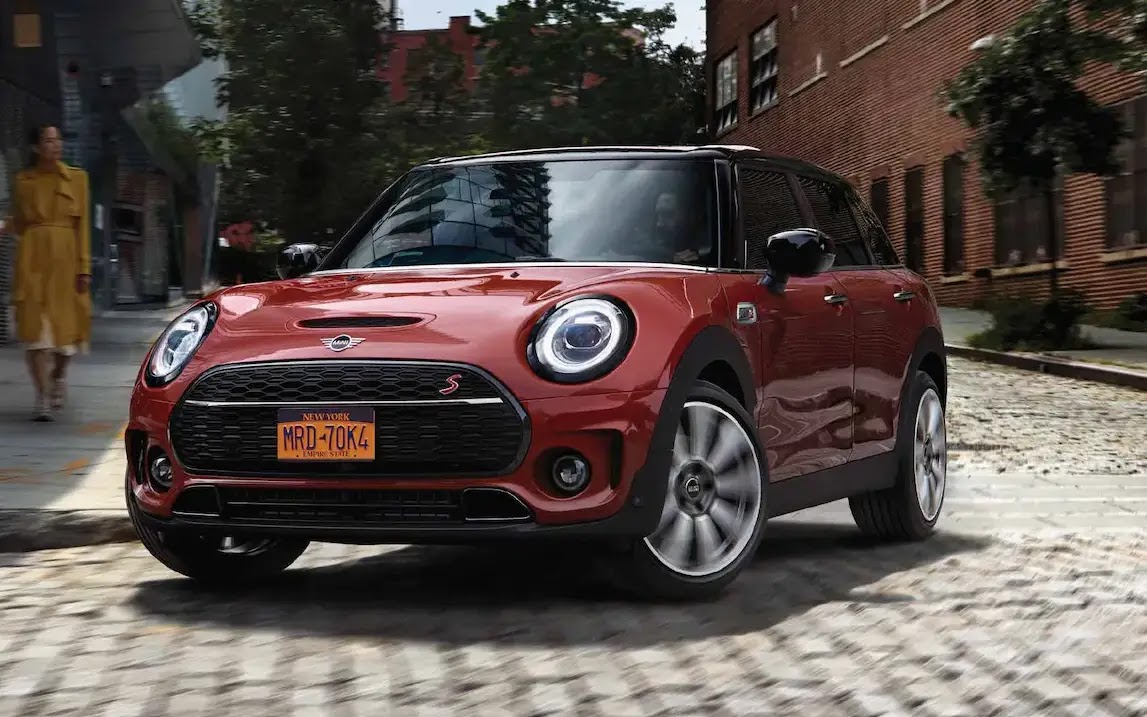
In the UK, this period commenced with six main brands (luxury marques and sports car makers aren't included). Three Japanese companies joined, BMW released the new MINI and Ford made a small number of Mazdas which brought the brands being made in the UK to ten by the late 1990's.

In a flurry of activity, BMW MINI came in, but Ford and Peugeot left and MGR went broke. So seven it was and with Infiniti briefly eight. Then Infiniti was withdrawn from most of Europe, Honda gave up on assembly in the region and Vauxhall became a smaller volume light commercial manufacturer. 

Suddenly there were just five as there still are today. Nissan is moving toward electric production and the way that is presently plus profits being well down, not conducive to increased volume. MINI has capacity constraints so it won't be going up from here, Toyota has just one model and is sitting on that so we can only expect model cycle variances there. 


Jaguar has cut back its production as it transitions to a low volume premium brand. Only Land Rover has the potential to grow but not with the subdued sales we see globally today. So while the UK car industry is still operational, it's not fizzing either.

The Chinese are coming to Europe but whether higher wage countries will become beneficiaries of investment is uncertain. The few that have committed so far have gone the lower wage route. So is the current situation as good as it gets for the UK? 

05 November 2024

Toyota Burnaston / 5 Million


Toyota started making cars in the UK in 1993. Amazingly, it is the last new car assembly plant built in the UK for any volume car maker. The country hasn't been attracting car plant investment for some time. 

The first model was the Carina which became the Avensis in late 1997. The same year, the Corolla (also called the Auris for a while) joined in the same year. The Avensis departed in 2018 but the Corolla has soldiered on alone since then. 

Moving on to the motivation for this piece, 5 million cars have now departed from the facility at Burnaston, Derbyshire. That's an average of nearly 170,000 per annum. Amazingly, the split between the two model made there is about 50/50. 

Summary: Two models improves plant utilsation and cost effectiveness but Toyota has not replaced the Avensis with another model. Surely they will in the future as the volume is now well short of capacity, going by historical numbers. 

Picture source: Toyota UK. The 2024 figure has been updated for the full year.

15 October 2024

Nissan Leaf UK Production Figures

The Nissan Leaf started being produced in the UK circa 2013. In 2018, it was replaced by the second generation and volume took a notable upturn. In 2024, the model was phased out with a delay until its replacement emerges from the Sunderland plant in 2025. The Ariya model will carry the torch in the meantime.

Nissan is making the Sunderland plant fully electric by 2030, a bold move that many other car makers are backing away from. The rapid growth in sales for BEVs is over. Norway will be an important export market but it isn't a large one overall so I assume production volume at the plant will be lower when it goes all electric in about six years from now.

Car manufacturers have to plan well ahead and the market can move swiftly so anticipating its direction is a challenge. Too conservative and risk getting left behind. Being bold can give an advantage over the competition but also turn into an expensive mistake. 

Perhaps the UK could get behind cars made locally and make sure it is a huge success. Only joking. 

Pics: Nissan UK. 

28 June 2024

UK Net Importer : 2023


The once mighty UK car industry is but a shadow of its former self. It still exists despite being undermined by substandard management, a militant workforce and public apathy. 

905,000 passenger cars were made in 2023, the best figure in three years. That's just under half the number of cars sold in the UK, the lowest figure ever. Yet 2024 will be worse still. 


Four brands support over 90% of the volume, Nissan, Land Rover, MINI and Toyota. The chart shows production, sales and extrapolates an export figure from that. 

When did the rot set in? During the first half of the 1970's, the UK was a net exporter. Back then, BL was still a large manufacturer, supported by Ford, Chrysler (Hillman) and Vauxhall. They have all since departed the scene. 


On that basis, it's a surprise an industry still exists. If it disappeared I don't know if anyone would notice...or care. Perhaps Sunderland would notice. The car below is the only one made in Wales and I believe the only one ever made in the Principality.


31 January 2024

UK Vehicle Production : 2023


UK vehicle manufacturing is currently steadily rising. Manufacturers have exited and no new ones have replaced them for some time now, yet a reasonable gain has taken place. Most vehicles are exported which keeps the plants viable. More local support would help but the will to do that simply isn't there.

Car: Production for domestic consumption was 191,250 (13.7+%) and exports increased to 713,900 (+17.6%). The total figure was 905,100, an increase of 16.8%. Only 10% of UK passenger car sales were met by locally made vehicles, the second lowest since 1946 when my records start. Presumably, the lowest since UK car manufacturing began.  

As for the monthly average, that increased from 64,600 to 74,400. I am curious as to where the increase came from but without a full breakdown by manufacturer, I can't be certain. It was probably spread across the various manufacturers. 

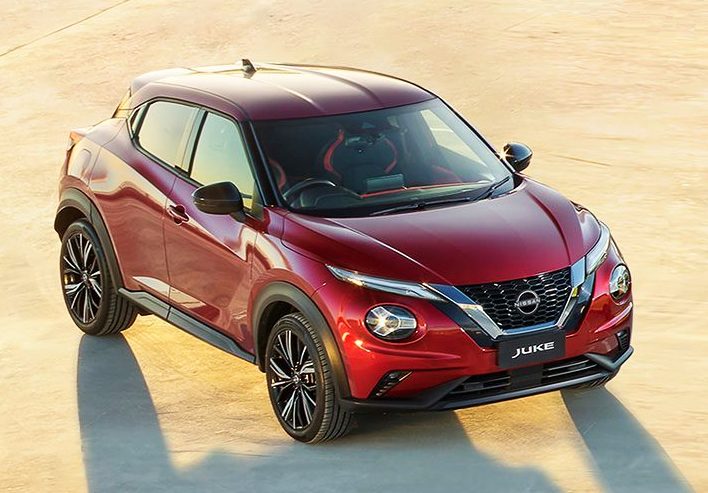
What I do know is that until recently, Nissan's and Toyota combined were just short of half of the total. Nissan makes the Qashqai, Juke and Leaf. Toyota the Corolla hatch and wagon. Toyota needs another model to better utilise the factory. 

Data source: SMMT.


Commercial Vehicle: Production for the local market was 43,400 units (+7.5%), exports were 77,000 (+25.8%), and combined 120,400 (+18.5%). After hitting a low point in 2020, CV production lifted and I assume Ellesmere Port van production will give it some sort of boost. 


The average numbers have improved slightly, from 8,500 to 10,000. CV production may be plateauing unless more investment in that area is forthcoming.


Combined: Production for the local market was +12.5% to 234,700 while production destined for export was +18.4% to 790,900. In total, 1025,500 vehicles were made (+17%). The totals could and should be better but it is for now moving in the right direction. Mind you, most production around the world is. 

As for average per month production, it has increased from 73,100 to 85,500 units. That is the best since 2019, when Honda and Vauxhall were still making cars in the UK. Vauxhall (Stellantis) is switching over to vans but even when that transition is fully up to speed, the number of vehicles made by Vauxhall will be less than what they achieved with passenger cars. 


25 June 2023

UK Passenger Car Production - Top 20 Models : 2022

When I was learning Spanish many years ago a friend would always reply when asked how he was doing by saying "Estoy con vida". In other words, I am alive. The UK car industry isn't what it was but it is still alive. Is it worth keeping though?

It suffers from massive local apathy and at times wilful avoidance of support due to erroneous attitudes. I would have thought that people should be grateful for what they have rather than wishing for what they'd like. Wallowing ruefully over past glories isn't a way forward. Making the best of what you have is.

Anyway, the top 20 list has a broad mix of models, from a few mass volume ones down to some hand built luxury models. The Land Rover Defender would be a helpful contributor except it isn't made in the UK. The Honda Civic would likewise be featured prominently but production has been moved elsewhere. Europeans don't want Honda cars in the sort of numbers to support production in the region. 


The MINI hatch/convertible is the top model for the second year now although that is under threat. That figure is an estimate, based on the percentage share of Clubman sales for the MINI brand. This percentage was applied to the known production total. 

The Nissan Qashqai (picture below the production data) had been the leading model for over a decade but not so the last two years. Production is down as the transition from the second series to this new one was disjointed and it is yet to fully recover. The Juke is fourth but descending as it passes along its model cycle and the Leaf is holding up well at eighth. 

Toyota's sole entry is third and surely a second model on the production line would make economic sense. The Suzuki Swace (picture to the right) is near the bottom of the list, made by Toyota and it is the same car as the Corolla. With a bit more effort, that could sell better.  

Land Rover then provided a solid list of models while Jaguar is to be repositioned in a higher quality bracket and isn't getting the love it could due to the more profitable Land Rover brand getting that instead. (The Bentley Bentayga is pictured to the left).

Then comes a group of models from premium marques that all proved very popular, especially the SUVs. The Aston Martin DBX (pictured to the right) is one of them and the only car produced in Wales,  possibly the only one that ever has been. 

The Stellantis Opel/Vauxhall Astra was phased out of UK assembly in 2022, hence its low figure. It's being replaced by light commercial models. 

Summary: How will 2023 go. I'm expecting the final figure to be similar to 2022 but in these unusual times, predicting anything is a risky proposition. The Qashqai regaining the top spot is my pick for 2023. And yes, UK manufacturing is worth keeping.

The data below is a mix of definite figures and quality estimates. 

23 June 2023

UK CV Production : 2022


We're not talking big numbers here but it was an increase of nearly 40%. All brands had increases bar one and the gains were impressive. Leyland DAF had its best year since the early 1990s when they also made vans. Stellantis' Vivaro van is to the right.

LEVC had its third consecutive year of production increase, the all electric brand specialising in a taxi and van. The black cab taxi (picture below data) has legendary status while the van (to the left) is a relatively new addition to the company.

I have a soft spot for Dennis Eagle (picture to the right), a small brand known for its fine refuse trucks. 

Alexander Dennis  -ADL - (bus pictured just below) and Wrightbus are doing well, each producing a strong range of buses. As to why they don't seem to sell in Europe I have no idea.  


Data source: SMMT, others.

19 May 2023

Nissan Sunderland's New Battery Plant


Stellantis has come out and said that its commitment to electric vehicles made in the UK is under threat due to an EU edict. It is that all cars exported from the UK to the EU must eventually have 65% UK/EU content or face 10% duties. I don't know why such a rule was insisted upon. 

What is of interest is that Nissan is pressing ahead with electric vehicle production in Sunderland, UK despite the machinations of politicians. How is Nissan achieving this? Through a battery plant built adjacent to the car assembly facility. Make no mistake, this is a substantial commitment by Nissan and its project partners. 

Nissan has made the Leaf model in the UK since late 2012 and making batteries for it at its Sunderland plant. This new initiative will take battery production capacity to another level. A new crossover electric model is to be produced at the plant with up to 100,000 units to be made per annum. 

It all comes down to the scale of production that allows for such investment. Stellantis' production in the UK isn't large and importing batteries is the way for them. JLR has been courted by Spain to acquire batteries from there but a plant to be located in Summerset, UK may now be the more likely outcome. Perhaps Stellantis could be involved with that. 

As for the Leaf, over 250,000 have now been built in the UK. The chart shows annual production volume and one would think that the push for electric cars in the UK and Europe would ensure continued healthy production for the Leaf as well as the future crossover model. Battery plants are needed and Nissan Sunderland has that box ticked.